


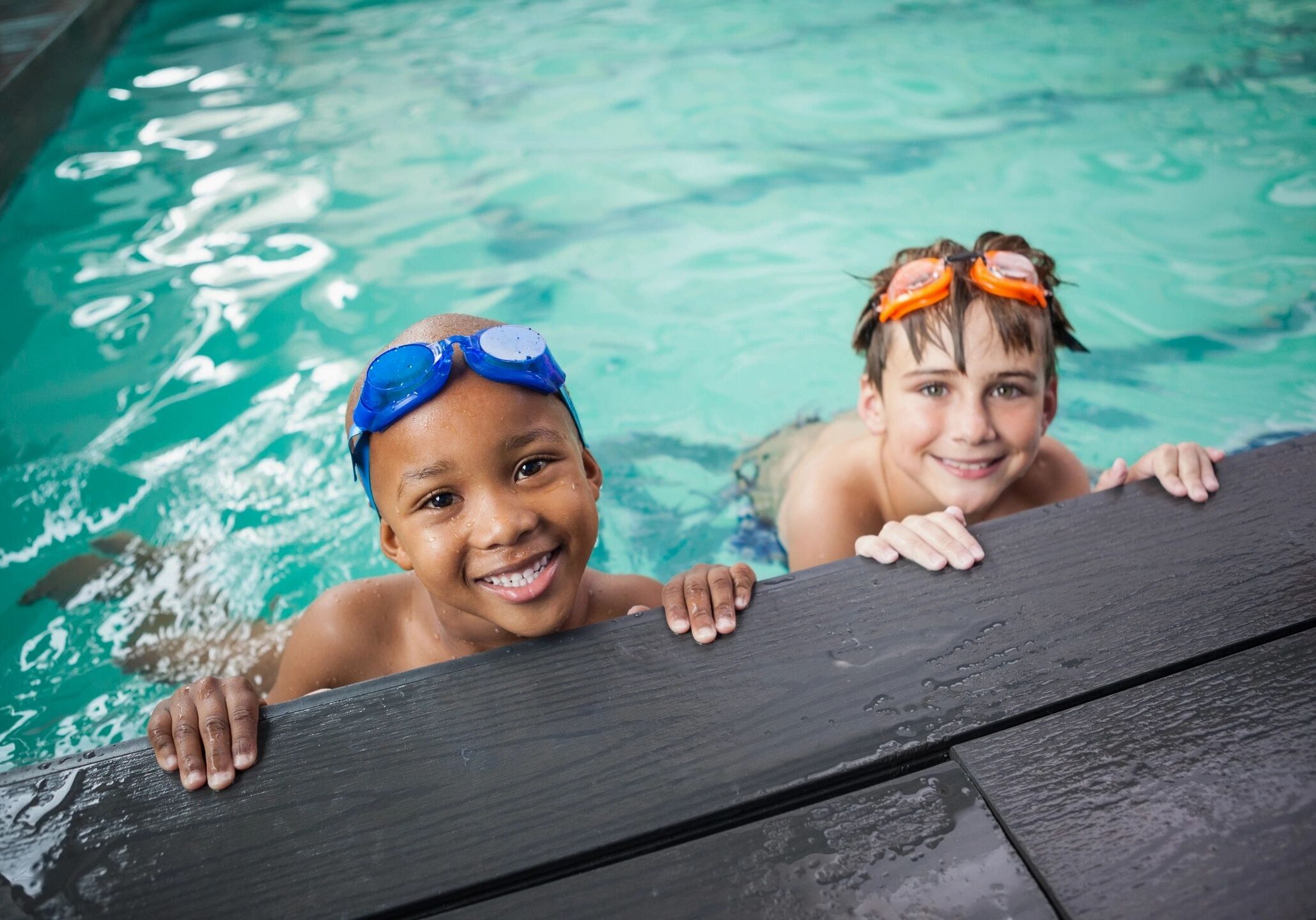
Water Safety for Kids
Drowning is one of the leading causes of injury-related death in children, especially for toddlers and preschoolers. The good news is that drowning is preventable with the right safety steps in place.
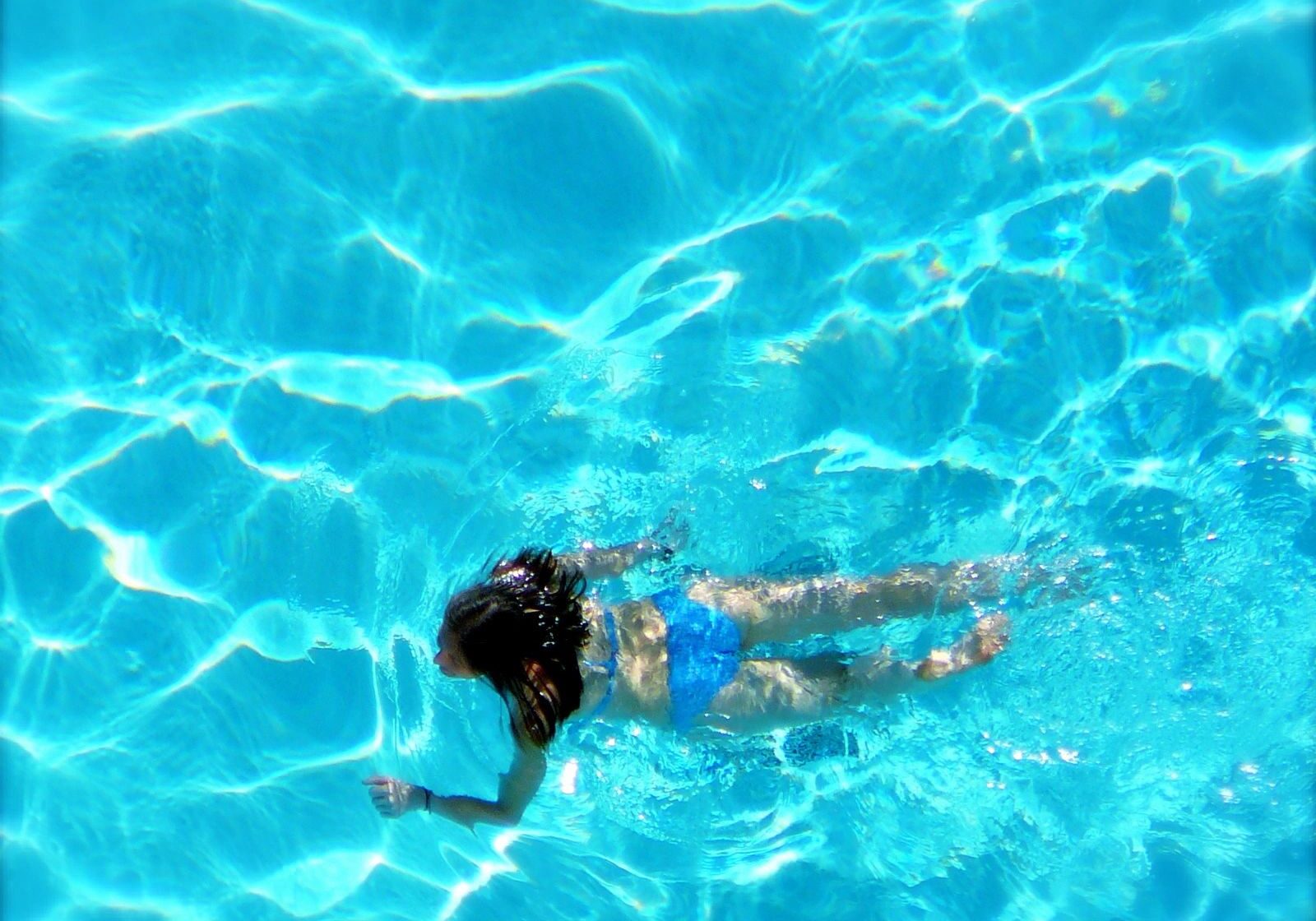
1. Supervision Is the First and Most Important Layer
Drowning is often silent and fast. It does not usually involve splashing or yelling for help.
- Always provide close, constant, and attentive supervision when children are in or around water.
- For infants and toddlers, stay within arm’s reach.
- Avoid distractions like phones, conversations, or alcohol.
- Never rely on older children to supervise younger ones.
If you’re at a gathering, assign a specific “water watcher” so everyone knows who is responsible.
2. Install Barriers Around Pools
Most toddler drownings happen after unexpected, unsupervised access to water.
- Use 4-sided fencing that completely separates the pool from the house and yard.
- Gates should be self-closing and self-latching.
- Use door alarms and locks if children have access to pool areas.
- Pool covers and alarms do NOT replace fencing or supervision.
If visiting someone’s home, always check that safe barriers are in place.

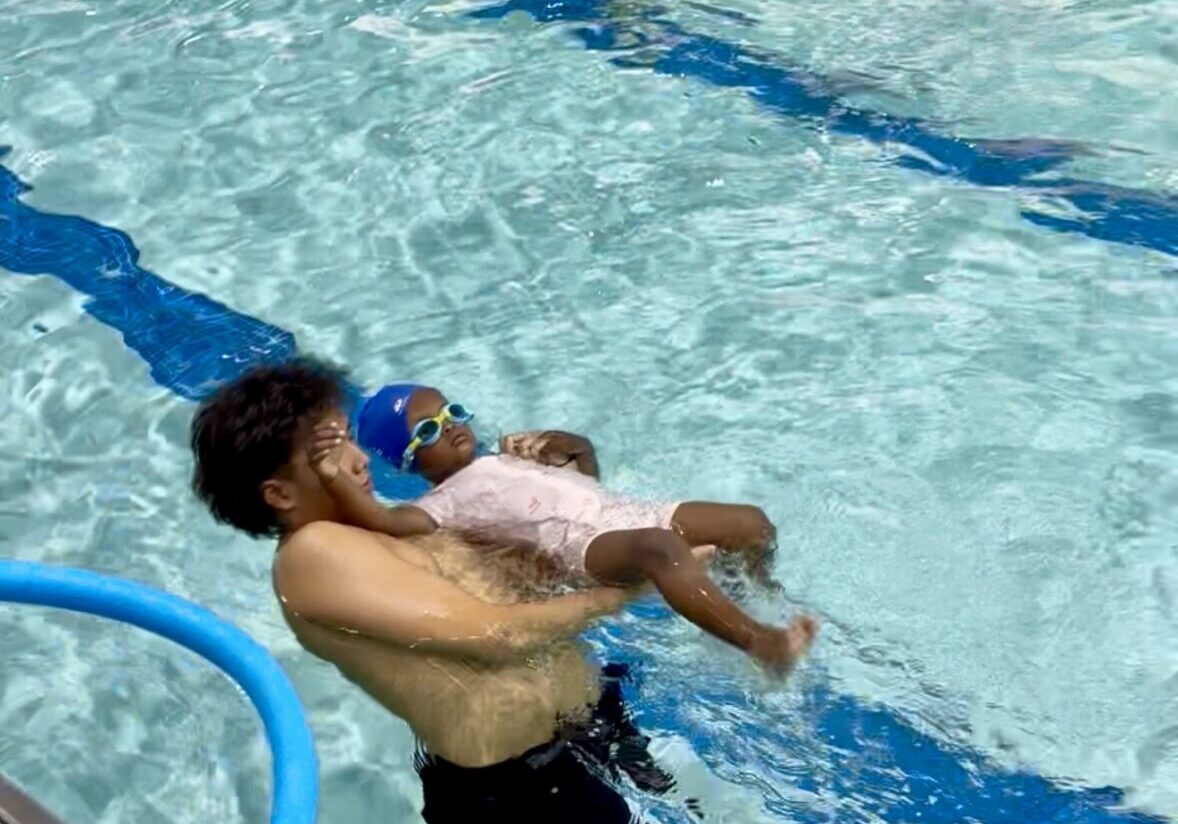
3. Start Swim Lessons at the Right Time
The American Academy of Pediatrics supports swim lessons for many children starting after age 1, depending on developmental readiness.
Keep in mind:
- Swim lessons reduce risk, but they do not “drown-proof” a child.
- Swimming ability is just one part of “water competency.”
- Supervision is still required, even if your child can swim.
Children should learn to:
- Enter and exit water safely
- Float or tread water
- Turn around and move toward safety
4. Use Life Jackets — Not Floaties
- Children should wear a properly fitted, Coast Guard–approved life jacket when boating or near open water.
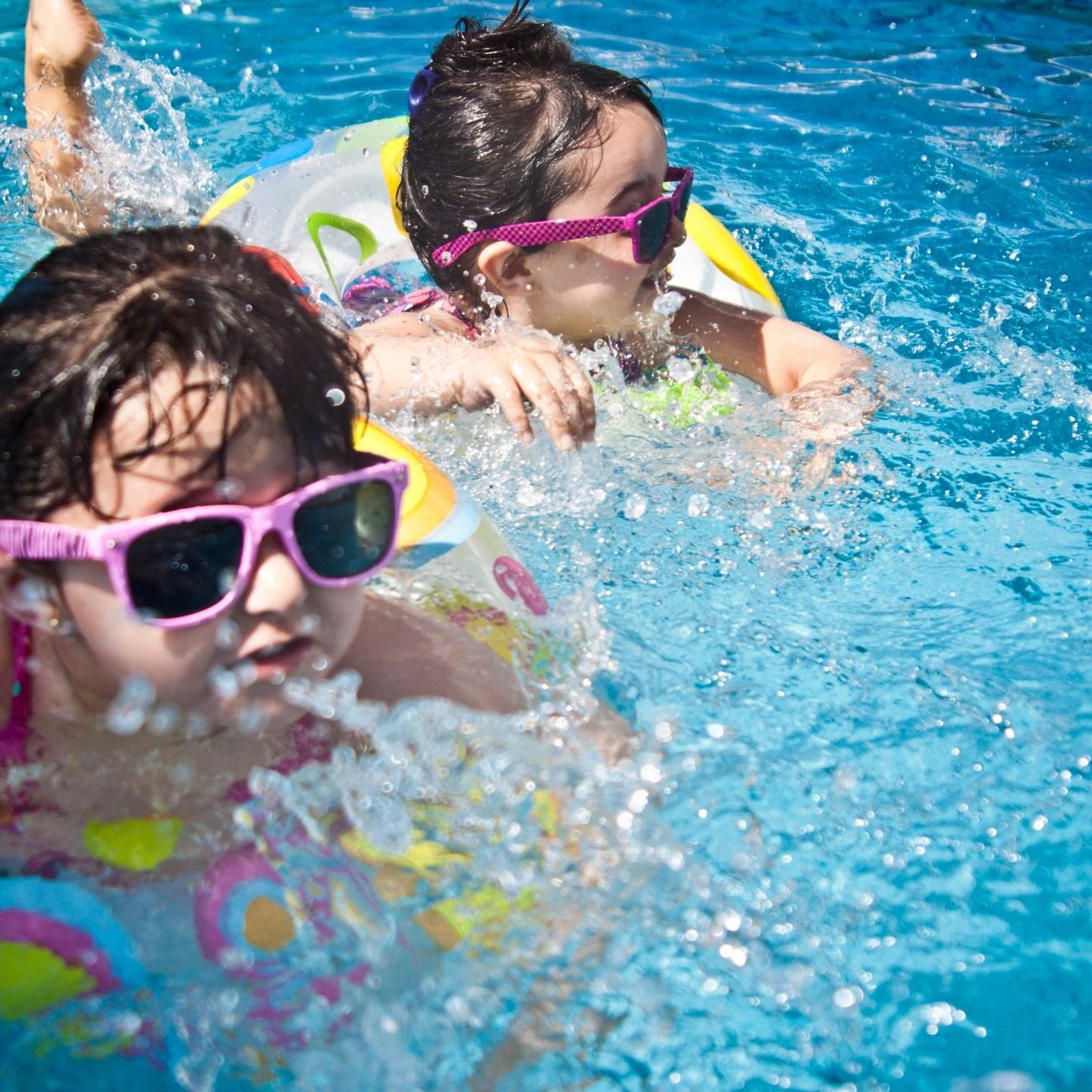
- Do not rely on water wings or inflatable toys—they are not safety devices.
- Adults should model safe behavior and wear life jackets too.
5. Be Extra Careful in Natural Water
Lakes, rivers, and oceans have additional risks such as:
- Currents and rip tides
- Sudden drop-offs
- Cold water
- Limited visibility
Swim in areas with lifeguards when possible, and always follow posted safety signs.

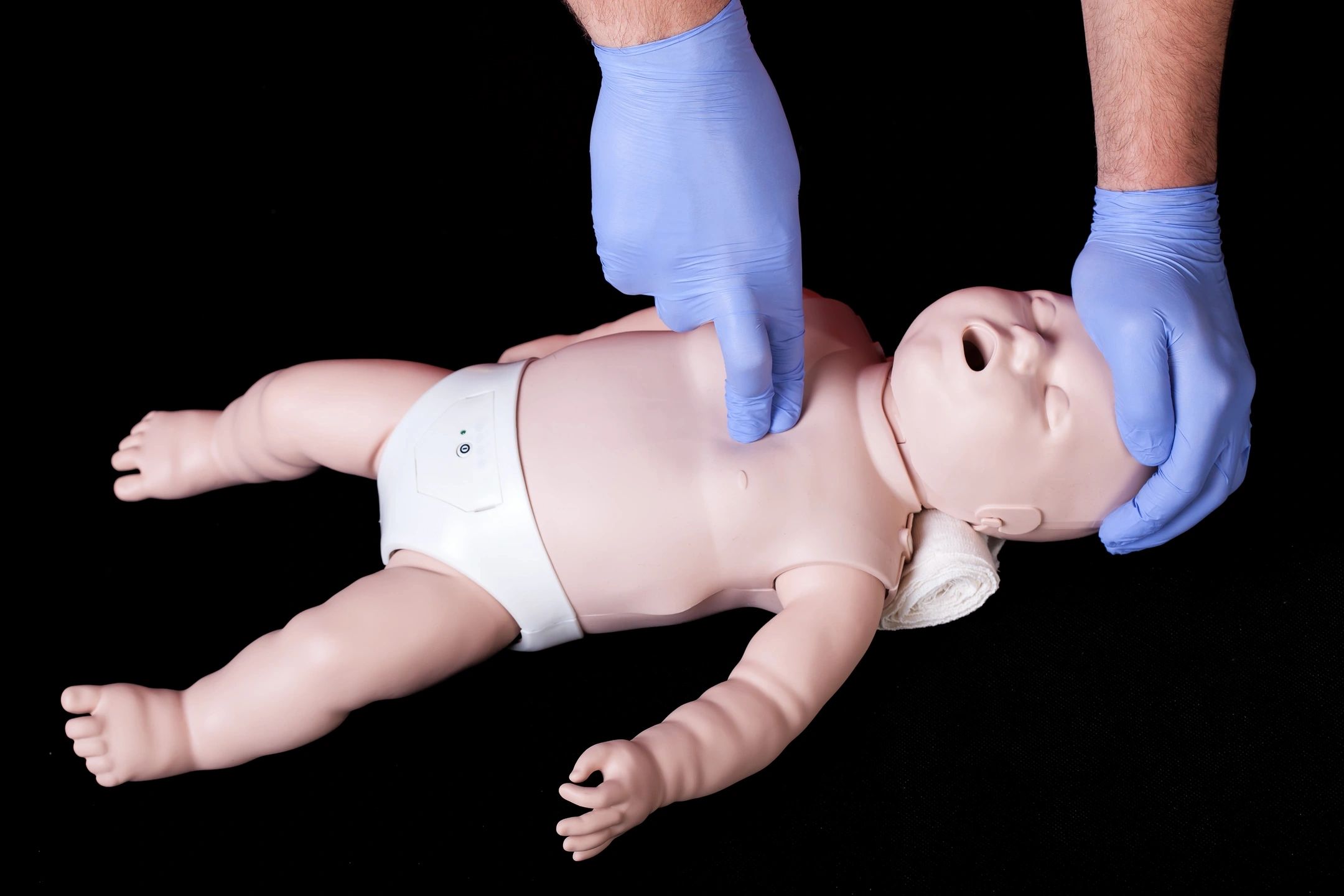
6. Learn CPR
Parents, caregivers, and older children should learn CPR. Immediate action can save a life while waiting for emergency responders.
Many community centers, hospitals, and Red Cross locations offer CPR classes.
7. Special Considerations
- Children with autism are at increased risk of wandering and drowning.
- Remove toys from pool areas when not in use to reduce temptation.
- If your child is visiting a new location, always ask about water hazards.
Water Safety Is Layered Protection
No single strategy prevents all drownings. The safest approach combines:
- Supervision
- Barriers
- Swim skills
- Life jackets
- CPR readiness
As summer approaches—or anytime your family is around water—take a moment to review your safety plan. Small steps can make a life-saving difference.
Stay safe and enjoy the water responsibly
Dr Chioma Muoghalu